How Much Event Medical Cover Do You Need? An Organiser's Guide
Whether you're running a village fete, a music festival or a stadium-scale show, one question sits at the heart of your safety planning: how much event medical cover do you actually need? Get it right and the cover is invisible — the day passes without incident. Get it wrong and you're exposed legally, financially and morally. This guide explains who's responsible, how medical provision is worked out, and what good cover looks like, so you can plan with confidence.
Who is responsible for medical cover at an event?
The responsibility sits with you, the event organiser. You hold a duty of care to everyone attending, working at, or performing at your event, and that includes making sure adequate medical and first-aid provision is in place. If something goes wrong and your provision was inadequate, the organiser is the one held accountable.
For many events, you'll also deal with a licensing authority or a Safety Advisory Group (SAG) — the multi-agency body that reviews event safety plans. They'll typically want to see a clear, credible medical plan as part of your application. Strong medical cover isn't just good practice; it's often a condition of being allowed to go ahead.
What is the Purple Guide?
The Purple Guide — full title The Purple Guide to Health, Safety and Welfare at Music and Other Events — is the widely used industry guidance published by the Events Industry Forum. It's the recognised successor to the HSE's former Event Safety Guide, and it's the reference point most event professionals, licensing authorities and medical providers work from when planning event safety, including medical, first-aid and ambulance provision.
Crucially, the Purple Guide doesn't hand you a single magic number. Instead, it sets out a structured way of thinking about risk and translating it into an appropriate level of medical resource. That's why two events with the same headcount can need very different cover.
What determines how much cover you need?
A proper medical risk assessment weighs up a range of factors. The main ones include:
- Audience numbers — the size of the crowd is the starting point, but never the whole picture.
- Type and profile of the event — a seated classical concert carries different risks to a standing rock gig, a motorsport event or a mass-participation run.
- Audience profile — the age range and needs of your attendees (a family event vs. an over-18s festival, for example).
- Alcohol and other substances — their presence increases the likelihood and complexity of medical incidents.
- Duration and timing — a multi-day festival is a very different proposition to a three-hour show.
- Weather and environment — heat, cold and terrain all affect risk.
- Location and access — how far you are from the nearest emergency department, and how easily an ambulance can reach any point of your site.
- Event history — what's happened at previous editions or comparable events.
Why there's no fixed formula — and why that's a good thing
It can be tempting to look for a simple "one medic per X people" rule. The reality is that crowd size alone is a poor predictor of medical need, which is exactly why the Purple Guide uses a risk-based approach rather than a flat ratio. A skilled medical provider will carry out a medical risk assessment specific to your event and translate it into the right mix of resources — which might range from a couple of first aiders for a small, low-risk gathering up to a full complement of paramedics, ambulances and a medical lead for a major event.
This matters because it protects you twice over: you're not paying for cover you don't need, and you're not dangerously under-resourced for the risks you do carry.
What does good event medical cover look like?
Strong, credible event medical cover should include:
- A bespoke medical risk assessment and a written medical plan for your event — not an off-the-shelf quote.
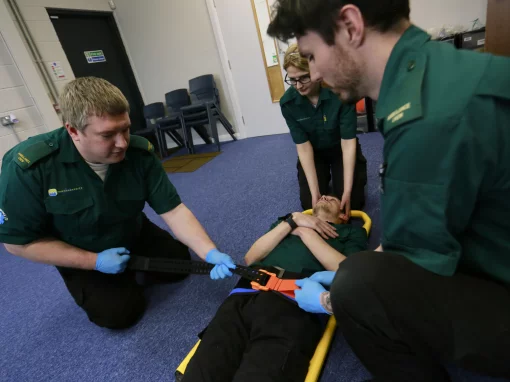
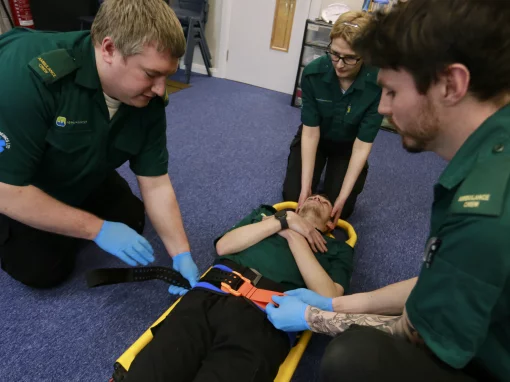
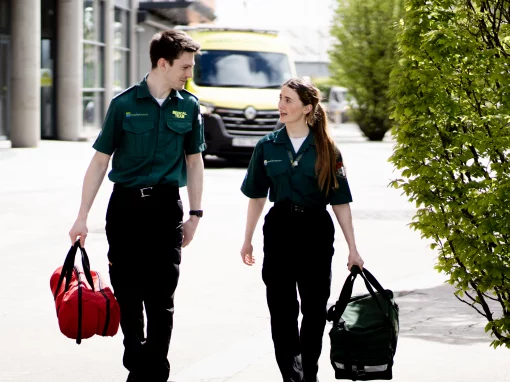
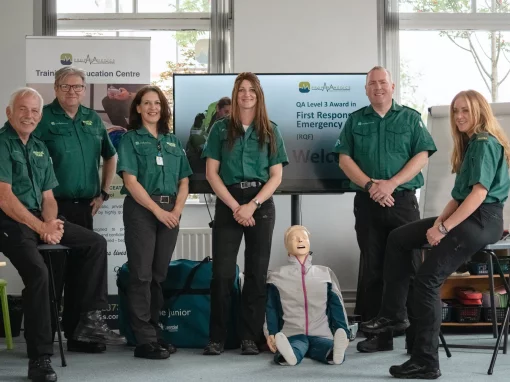
- The right mix of clinical grades for your risk profile — first responders, technicians, paramedics, nurses and, where needed, a medical lead.
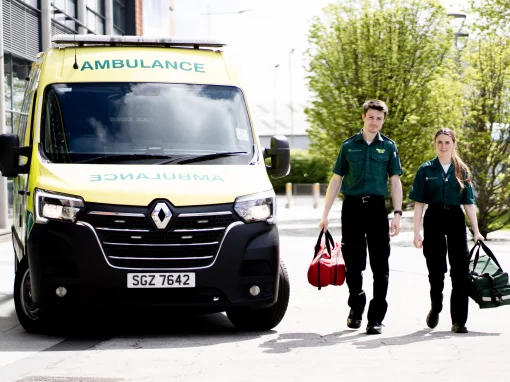
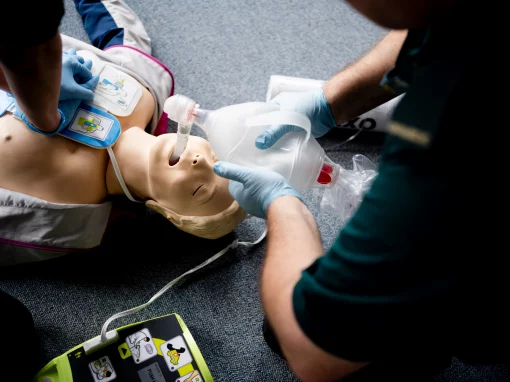
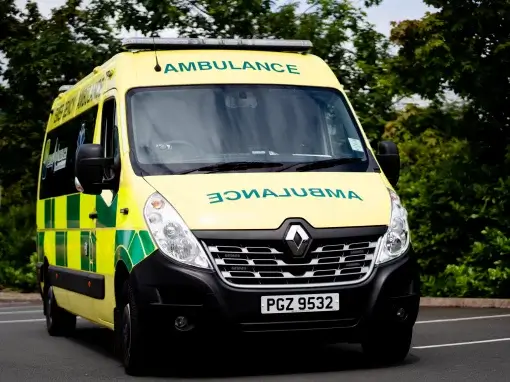
- Appropriate equipment and vehicles, up to and including fully equipped ambulances and the means to treat and, if necessary, transport casualties.
- Full insurance and recognised accreditation, so your provider stands up to scrutiny from your SAG or licensing authority.
- Experience with events like yours, and the ability to integrate with your wider safety and stewarding plan.
Common mistakes to avoid
The three we see most often: under-booking to save money (a false economy that leaves you exposed); leaving it too late, when good providers are already booked and there's no time to build a proper plan; and assuming the NHS will simply respond — relying on 999 and the public ambulance service to cover your event is not a medical plan, and can pull vital resources away from the wider community. Good cover starts with a conversation, well before the day.
Why organisers choose ProParamedics
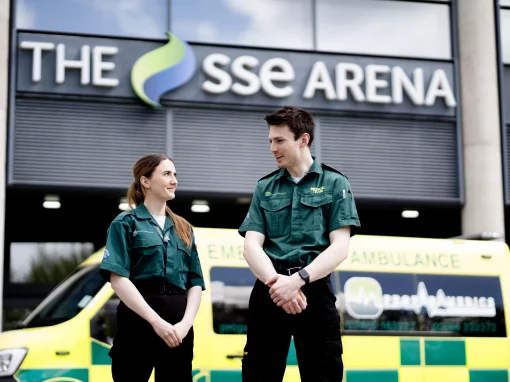
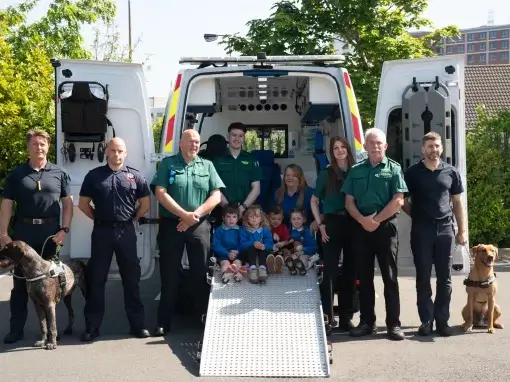
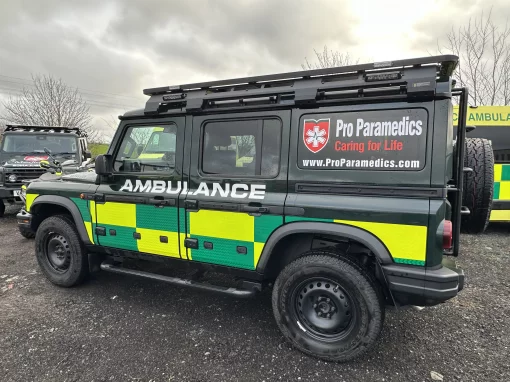
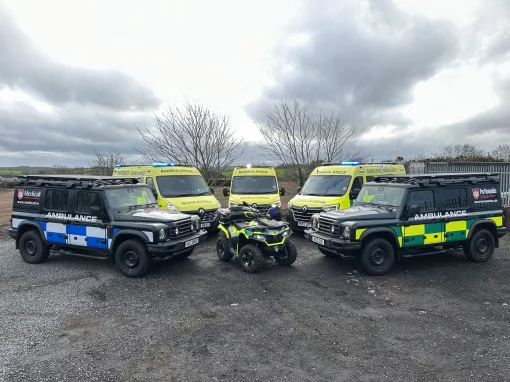
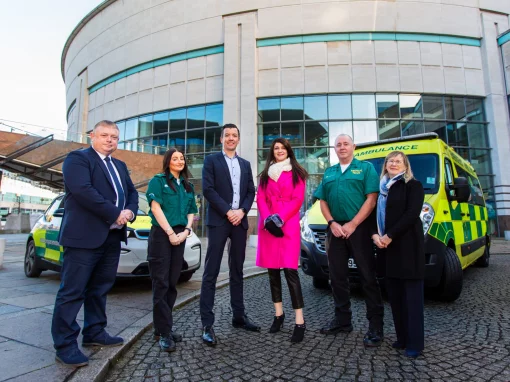
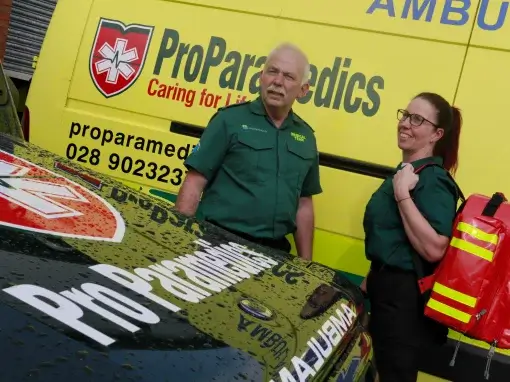
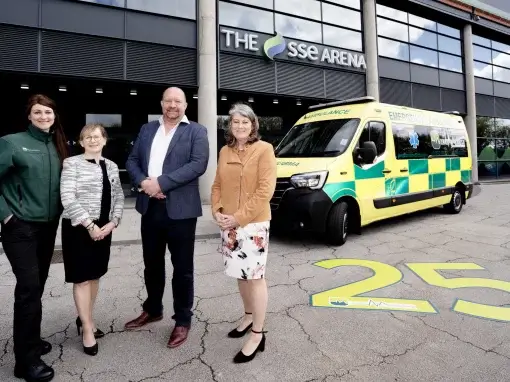
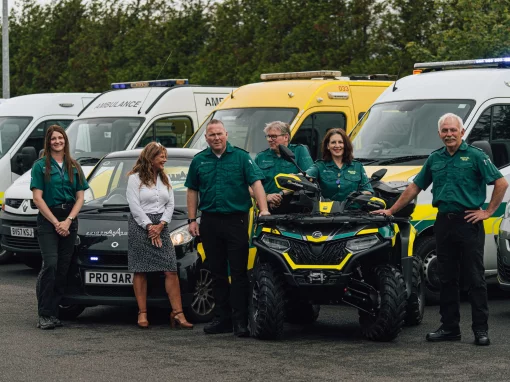
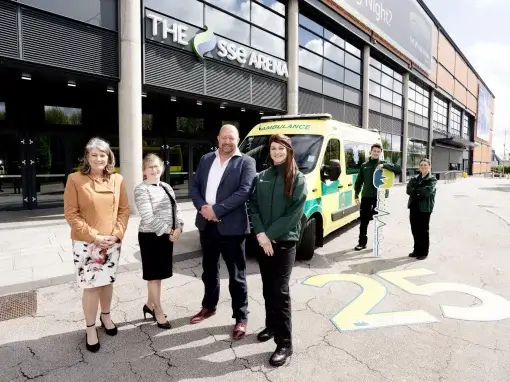
ProParamedics has provided event medical cover across Ireland for more than 25 years, and is the trusted medical partner for some of Northern Ireland's biggest venues, including the SSE Arena (soon The O2 Belfast) and ICC Belfast. As a sister company within the MCL Group alongside Medicall, we can scale from a single medic to a full fleet, drawing on one of the island's largest private ambulance resources — including our new off-road response unit for remote and challenging sites. Every plan starts with a proper risk assessment and is fully insured and accredited.
Plan your event medical cover
The earlier you involve a medical provider, the better your plan will be. Learn more about our event medical cover service, or get in touch with our events team to talk through your event and get a tailored quote. For events on rough or remote terrain, ask about our off-road response capability.
Frequently asked questions
Who is responsible for medical cover at an event?
The event organiser holds the duty of care and is responsible for ensuring adequate medical and first-aid provision is in place. Licensing authorities and Safety Advisory Groups will often require a credible medical plan as part of approving an event.
How is the level of event medical cover decided?
It's decided through a medical risk assessment rather than a fixed ratio. Factors include audience numbers, the type and profile of the event, the audience's age and needs, alcohol, duration, weather, site access and event history. The Purple Guide sets out this risk-based approach.
What is the Purple Guide?
The Purple Guide to Health, Safety and Welfare at Music and Other Events is the industry guidance published by the Events Industry Forum. It's the recognised successor to the former Event Safety Guide and is widely used to plan event safety, including medical and first-aid provision.
Is there a simple "one medic per X people" rule?
No. Crowd size alone is a poor predictor of medical need, which is why a risk-based assessment is used instead. Two events with the same headcount can require very different levels of cover depending on their risk profile.
Can I just rely on the NHS and 999 for my event?
No. Relying on the public ambulance service to cover your event is not a medical plan and can divert resources from the wider community. Organisers are expected to provide appropriate medical cover for their event.
How far in advance should I book event medical cover?
As early as possible. Good providers get booked up, and early planning allows time for a proper medical risk assessment and a plan that will satisfy your licensing authority or Safety Advisory Group.