Emergency First Aid at Work (EFAW), Explained: What It Covers & Who Legally Needs It
Almost every workplace in Northern Ireland needs someone who can step in when an accident or sudden illness happens — and for most, that training is an Emergency First Aid at Work (EFAW) course. It's the most popular workplace first-aid qualification in the UK and Ireland, but there's a lot of confusion about what it actually covers, how it differs from the longer First Aid at Work course, and whether your business is legally required to have it.
This guide answers those questions in plain English, so you can work out exactly what your workplace needs.
What is an Emergency First Aid at Work course?
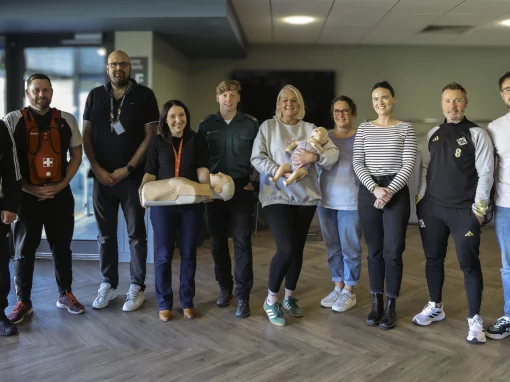
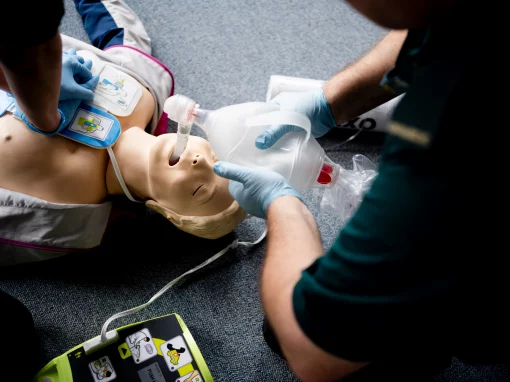
Emergency First Aid at Work is a one-day, Level 3 regulated qualification that gives a person the skills and confidence to act as an emergency first aider in the workplace. In a single day, learners are trained to manage a casualty, perform CPR and use a defibrillator (AED), deal with choking, control bleeding, and recognise and respond to common medical emergencies until professional help arrives.
The certificate is valid for three years. It's designed for lower-risk workplaces — offices, shops, salons, small businesses and similar environments — and for anyone who simply wants to be the person ready to help when it counts.
What EFAW covers
A typical EFAW course covers:
- The role and responsibilities of an emergency first aider
- Assessing an incident safely and managing an unresponsive casualty
- CPR and safe use of an automated external defibrillator (AED)
- Choking, in adults
- Controlling external bleeding and managing shock
- Recognising and responding to seizures, and minor injuries
EFAW vs FAW: what's the difference?
This is the question we're asked most often. Both are workplace first-aid qualifications, but they suit different levels of risk.
| EFAW (Emergency First Aid at Work) | FAW (First Aid at Work) | |
|---|---|---|
| Length | 1 day | 3 days |
| Best for | Lower-risk workplaces (offices, shops, small teams) | Higher-risk workplaces (construction, manufacturing, warehousing) |
| Depth | Core emergency skills | Broader range of injuries and illnesses, in more depth |
| Validity | 3 years | 3 years (2-day requalification) |
In short: if your workplace is low-risk, EFAW is usually the right fit. If your work involves significant hazards, or your first-aid needs assessment points to higher risk, the fuller three-day First Aid at Work course is the better choice.
Does my workplace legally need a first aider?
Yes — in some form. Under health and safety first-aid law in Northern Ireland (enforced by the Health and Safety Executive for Northern Ireland, HSENI), every employer must provide adequate and appropriate first-aid equipment, facilities and people, so that employees who are injured or taken ill at work can be given immediate help.
What "adequate and appropriate" means in practice isn't a fixed number — it depends on your workplace. That's why the starting point is always a first-aid needs assessment.
How many first aiders do I need?
There's no single legal ratio that applies to every business. The number and level of first-aid training you need is determined by your first-aid needs assessment, which weighs up things like:
- The nature of the work and the hazards involved
- How many people you employ
- Your workplace's history of accidents
- The spread of your workforce across sites, shifts and buildings
- How remote you are from emergency medical services
As a general guide, HSE guidance suggests that a low-hazard workplace with fewer than 25 employees should consider having at least one person trained in Emergency First Aid at Work, with more first aiders — and potentially the fuller First Aid at Work qualification — as headcount and risk increase. For the definitive position for your business, carry out a needs assessment and refer to HSENI guidance. (This article is general information, not legal advice.)
What about childcare and schools?
If you work with children — in a nursery, school, after-school club or as a childminder — you'll usually need paediatric first-aid training rather than, or in addition to, workplace first aid. A popular, efficient option is our combined Emergency First Aid at Work and Emergency Paediatric First Aid course, which covers both bases in a single booking.
Why train with ProParamedics
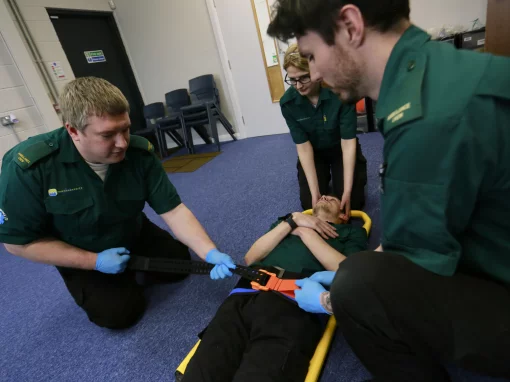
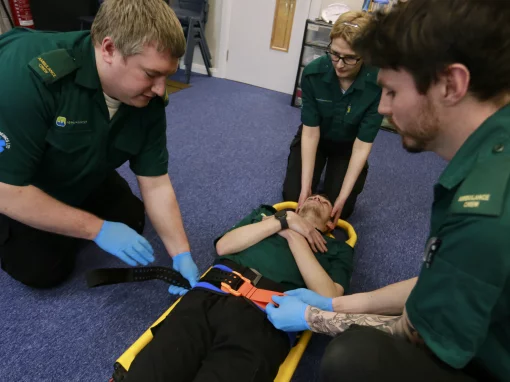
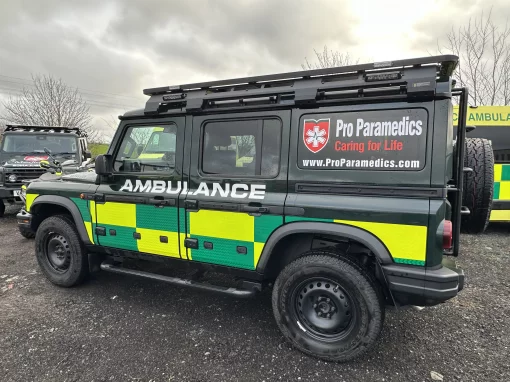
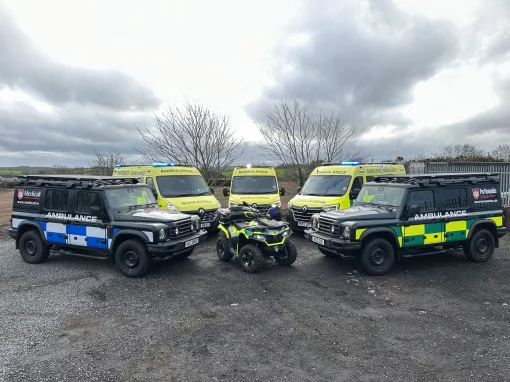
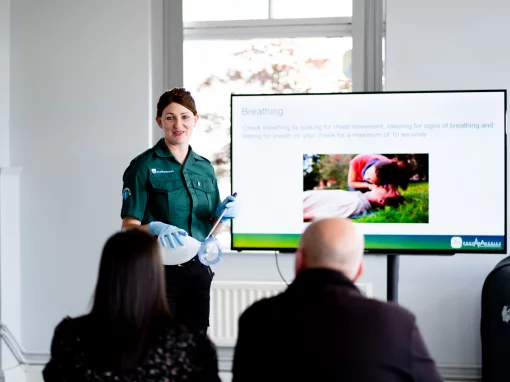
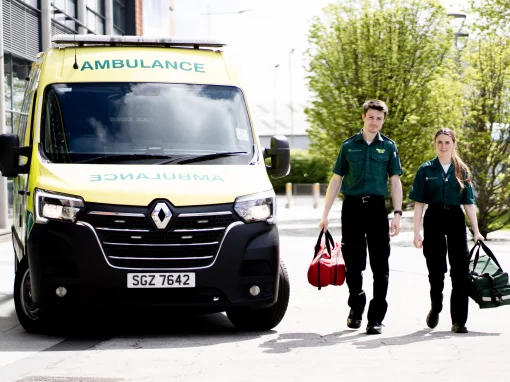
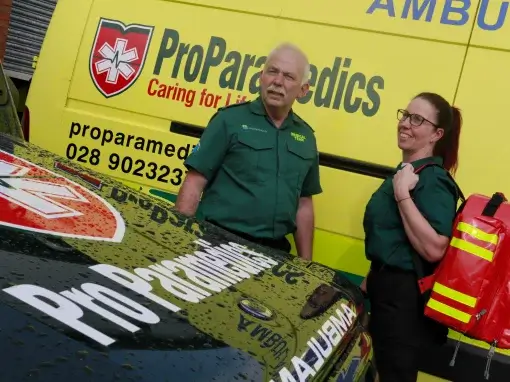
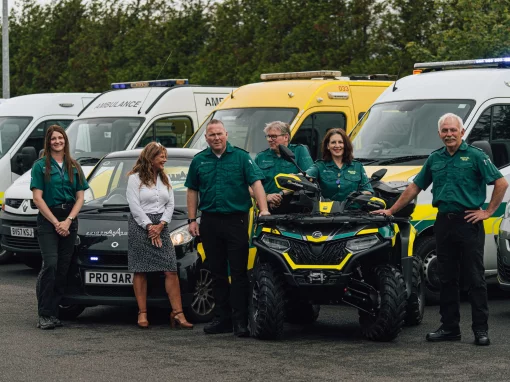
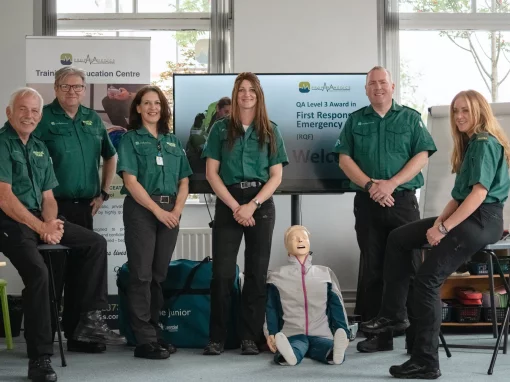
Workplace first aid is only as good as the confidence it leaves you with — and confidence comes from learning the real thing from people who use these skills for real. Every EFAW course at ProParamedics is delivered by active frontline ambulance personnel, not career classroom trainers. They bring genuine emergency experience into the room, which is exactly what turns a tick-box certificate into skills you'll actually use.
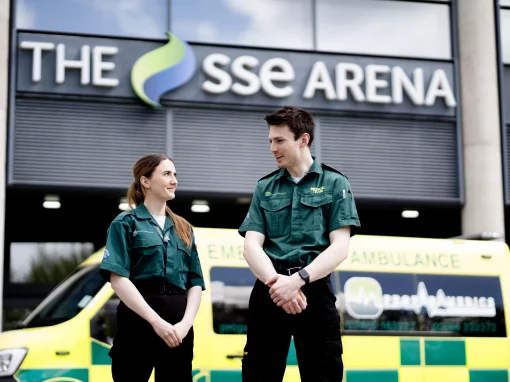
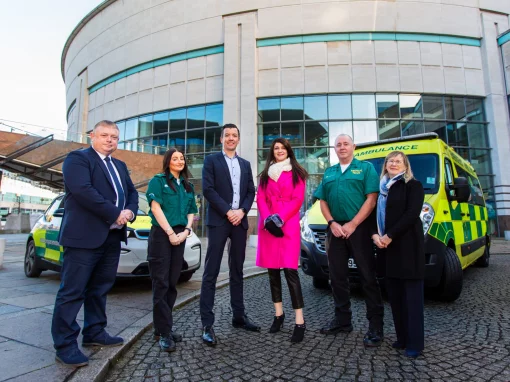
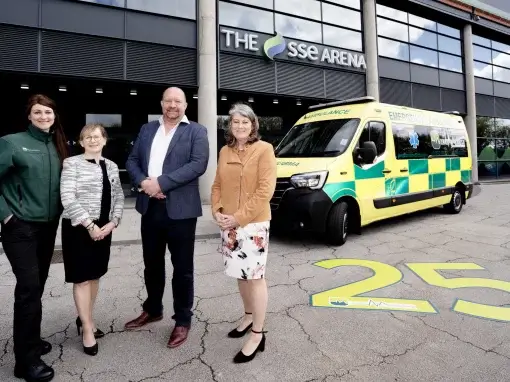
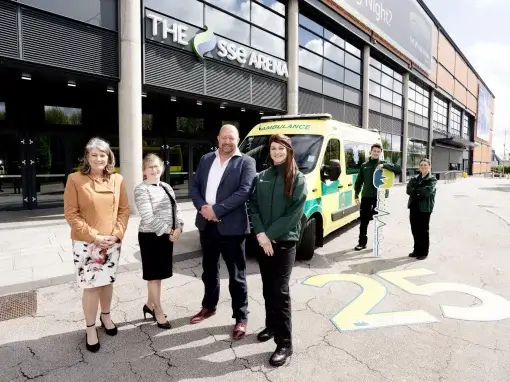
Our courses are accredited by Qualsafe Awards, meet HSENI standards, and are nationally recognised by employers across the UK and Ireland. We deliver them at our purpose-built training centre near Belfast, or we can come to your workplace for group bookings — the same training standards behind a company trusted by organisations like the SSE Arena (soon The O2 Belfast) and ICC Belfast for more than 25 years.
How to book an EFAW course
You can view dates and book online for the Emergency First Aid at Work course, or explore our full range of accredited first aid and clinical training courses. For group or on-site training, get in touch with our training team for a quote tailored to your organisation.
Frequently asked questions
How long is an Emergency First Aid at Work course?
EFAW is a one-day course. On completion you'll receive a Level 3 qualification that's valid for three years.
What's the difference between EFAW and First Aid at Work (FAW)?
EFAW is a one-day course covering core emergency first-aid skills, suited to lower-risk workplaces. First Aid at Work (FAW) is a three-day course covering a wider range of injuries and illnesses in more depth, suited to higher-risk workplaces. Your first-aid needs assessment will indicate which your business requires.
Is my business legally required to have a first aider?
Yes. Health and safety first-aid law in Northern Ireland requires every employer to provide adequate and appropriate first-aid provision. What's "adequate and appropriate" is determined by a first-aid needs assessment rather than a fixed legal ratio.
How many first aiders does my workplace need?
There's no one-size-fits-all number. It depends on your hazards, employee numbers, accident history, and how your workforce is spread across sites and shifts. As a guide, a low-hazard workplace with fewer than 25 employees should consider at least one EFAW-trained first aider, with more as risk and headcount rise. Carry out a needs assessment and check HSENI guidance for your situation.
Do I get a certificate on the day?
Yes. On successful completion of your EFAW course you'll receive your certificate, with a digital copy emailed for your records. The qualification is valid for three years.
Can you deliver EFAW training at our workplace?
Yes. We offer group bookings and can deliver courses on-site at your premises across Northern Ireland. Contact our training team for a tailored quote.