Mental Health First Aid at Work: Why It Matters & How to Get Certified in NI
We've trained workplaces to deal with a cardiac arrest or a bad fall for decades — but a colleague quietly struggling with their mental health is far more common, and far less likely to be noticed in time. A Mental Health First Aid course in Northern Ireland equips your team to spot the early signs, start a supportive conversation, and point someone towards the right help. This guide explains what a mental health first aider does, why it matters at work, and how to get certified.
What is a mental health first aider?
A mental health first aider is a trained colleague who can recognise the signs that someone may be developing a mental health issue or experiencing a crisis, offer initial support, and guide them towards appropriate professional help. Think of it as the mental health equivalent of a physical first aider: you're not there to diagnose or treat, you're there to provide that crucial first response and bridge to proper support.
It's important to be clear about what the role isn't. A mental health first aider is not a therapist, counsellor or clinician, and the training doesn't qualify you to treat mental illness. What it does is give you the confidence and framework to step in early, listen without judgement, and make sure someone doesn't struggle alone.
Why workplaces need mental health first aid
Poor mental health is one of the leading causes of sickness absence in the UK, and the workplace is where many adults spend most of their waking hours. The case for training is simple:
- Early support changes outcomes. Spotting that someone is struggling — and acting before it becomes a crisis — is far better for the person and the organisation than waiting.
- It builds a culture where people feel safe to speak up. Trained first aiders normalise the conversation and reduce stigma.
- It supports your duty of care. Looking after employee wellbeing is part of being a responsible employer, and mental health is a core part of that.
- Wellbeing supports safety and performance. A supported team is a safer, more focused, more resilient team.
This is the thinking behind the message we keep coming back to during initiatives like Mental Health Awareness Week: notice early, talk early, act early. Training mental health first aiders is one of the most practical ways an organisation turns that idea into action.
What does a Mental Health First Aid course cover?
While depth varies by level, a Mental Health First Aid course typically covers:
- What mental health is, and the factors that affect it
- Recognising the signs and symptoms of common conditions such as stress, anxiety and depression
- How to start a supportive, non-judgemental conversation
- Listening and supporting someone in distress
- Understanding when and how to signpost to professional help
- Looking after your own wellbeing in the role
Level 2 or Level 3: which course do you need?
We offer two regulated qualifications, suited to different roles.
| Mental Health First Aid — Level 2 (RQF) | Mental Health First Aid — Level 3 (RQF) | |
|---|---|---|
| Best for | Any employee becoming a workplace mental health first aider or champion | Managers, supervisors and those taking a lead role in workplace mental health |
| Depth | Awareness, recognition and initial support | Deeper understanding, supervising and embedding support |
| Focus | Being an effective first responder | Leading a supportive culture and supporting others |
If you're rolling mental health first aid out across a team, many organisations train a wider group at Level 2 and have managers or wellbeing leads take the Level 3 qualification.
Who should train as a mental health first aider?
Mental health first aid suits far more than HR teams. We regularly train line managers, team leaders, wellbeing champions, HR and people teams, and frontline staff in customer-facing or high-pressure roles. In reality, any workplace that takes its people seriously benefits from having trained mental health first aiders on the team.
Why train with ProParamedics
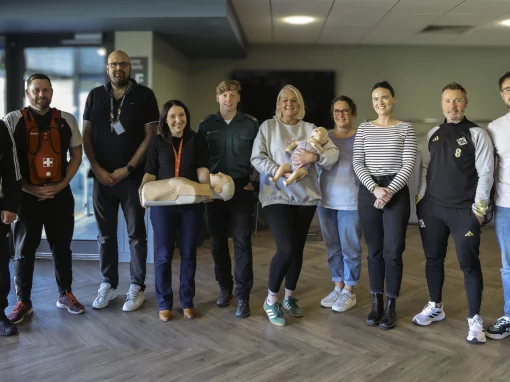
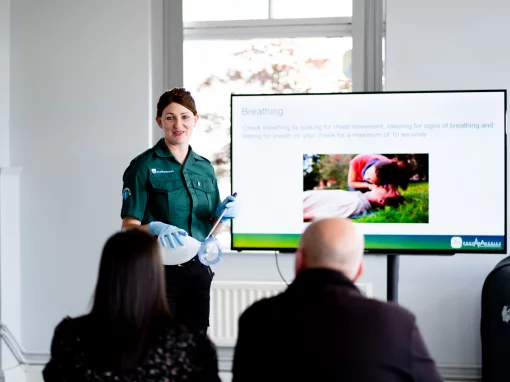
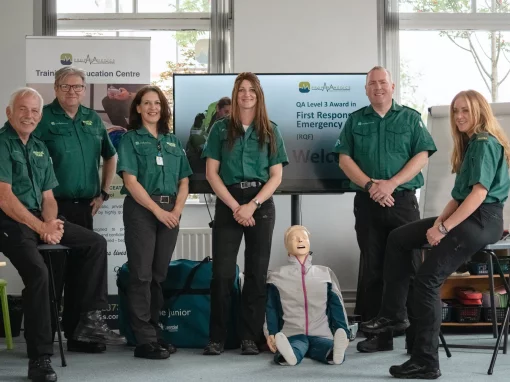
Our Mental Health First Aid courses are accredited regulated qualifications, delivered by experienced trainers who know how to create a safe, engaging learning environment — something that matters enormously with this subject. Recent learners have described our mental health training as engaging, relatable and genuinely confidence-building, taught by trainers who know the material inside out.
We deliver at our purpose-built training centre near Belfast, or on-site for your team, with the same standards behind a company trusted across Northern Ireland for more than 25 years. Group bookings for workplaces are welcome.
How to book a Mental Health First Aid course
View dates and book online for Mental Health First Aid (Level 2) or Mental Health First Aid (Level 3), or browse all our accredited training courses. For team training, contact us for a tailored quote.
Frequently asked questions
What does a mental health first aider do?
A mental health first aider is trained to recognise the early signs that someone may be struggling with their mental health, offer initial support and a non-judgemental conversation, and signpost them towards appropriate professional help. They provide a first response and a bridge to support — they don't diagnose or treat.
Is Mental Health First Aid a clinical qualification?
No. Mental Health First Aid training does not make you a therapist, counsellor or clinician, and it doesn't qualify you to treat mental illness. It gives you the skills to spot the signs, offer support and signpost to professional help.
What's the difference between the Level 2 and Level 3 course?
The Level 2 award suits any employee becoming a workplace mental health first aider, focusing on recognition and initial support. The Level 3 award goes deeper and is aimed at managers, supervisors and those leading workplace mental health and supporting others.
Why should a workplace have mental health first aiders?
Poor mental health is a leading cause of workplace absence, and early support leads to better outcomes. Trained mental health first aiders help spot problems early, reduce stigma, support an employer's duty of care, and build a safer, more resilient team.
How long does the certification last?
Mental Health First Aid certificates are typically valid for three years, after which refresher training is recommended to keep skills and knowledge current.
Can you deliver Mental Health First Aid training for our whole team?
Yes. We offer group bookings and can deliver training on-site at your workplace across Northern Ireland. Contact our training team for a tailored quote.