FREC 3 vs FREC 4: Which First Response Emergency Care Course Is Right for You?
If you're building a career in pre-hospital, event or ambulance medicine, two qualifications come up again and again — and they look almost identical on paper. Understanding FREC 3 vs FREC 4 is the difference between booking the course that gets you started and the one that moves you up. Both are First Response Emergency Care (FREC) qualifications, both are regulated by Qualsafe Awards, and both are widely recognised across the UK and Ireland. The real question isn't which is "better" — it's which matches where you are now and where you want to get to.
This guide breaks down what each course covers, who it's designed for, the prerequisites, and how to decide. By the end you'll know exactly which one to book.
What is First Response Emergency Care (FREC)?
First Response Emergency Care is a family of regulated pre-hospital care qualifications sitting on the Regulated Qualifications Framework (RQF). It was developed for people who provide emergency care in the gap between an incident happening and a patient reaching definitive care — event medics, ambulance crews, close-protection operatives, fire and rescue personnel, and anyone in a frontline first-response role. The pathway runs from Level 3 up through Level 4 (and beyond), with each level building clinical depth and autonomy on the one before it.
For most people, the choice comes down to the entry-level FREC 3 or the more advanced FREC 4.
What is FREC 3?
The Level 3 Award in First Response Emergency Care (FREC 3) is the entry point to the pre-hospital care pathway. Delivered over five days, it takes someone with no prior clinical background and equips them to assess and manage a casualty in an emergency until further help arrives.
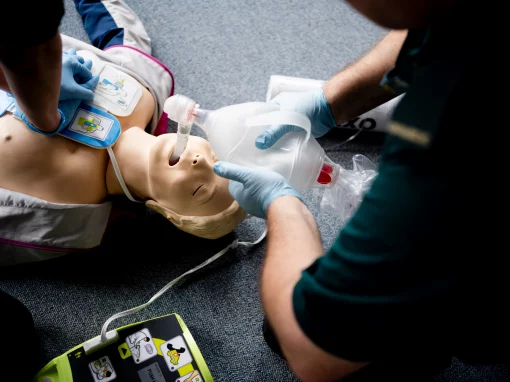
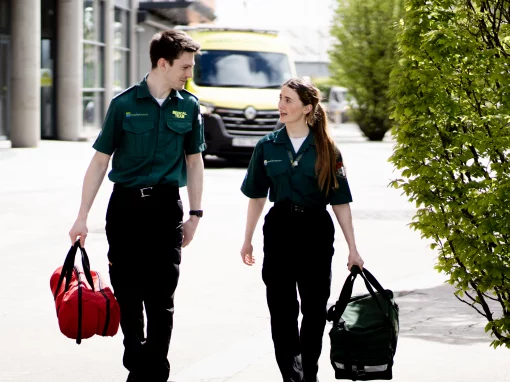
FREC 3 covers patient assessment, airway management, CPR and AED use, catastrophic bleeding and trauma, medical emergencies, and incident management. It's the qualification most commonly asked for in:
- Event medical cover — working as a first responder or event medic at concerts, festivals and sporting events
- Security and door supervision — FREC 3 is recognised by the SIA as meeting the first-aid requirement for licensing
- Film, TV and production medic roles
- Ambulance care assistant and patient-transport roles as a starting qualification
The certificate is valid for three years, with annual refresher training of CPR and AED skills recommended to keep them sharp. If you already hold FREC 3 and it's approaching expiry, you don't need to repeat the full course — a shorter FREC 3 requalification course renews it.
What is FREC 4?
The Level 4 Award in First Response Emergency Care (FREC 4) builds directly on FREC 3. Also delivered over five days, it takes a qualified first responder and develops the more advanced assessment, clinical reasoning and skills needed to work with greater autonomy in a pre-hospital setting.
FREC 4 goes deeper into patient assessment and monitoring, advanced airway management, the recognition and management of a wider range of medical and trauma presentations, and an introduction to the kind of clinical decision-making expected in ambulance and advanced event-medical roles. It's the qualification typically required for:
- More senior or autonomous event medical positions, including higher-risk events
- Roles within independent and NHS ambulance services as part of a clinical career pathway
- Progression towards Associate Ambulance Practitioner and beyond
Because FREC 4 assumes the knowledge taught at Level 3, you'll normally need a valid FREC 3 (or a recognised equivalent such as FPOS-I) before you enrol. If you're starting from scratch, FREC 3 comes first.
FREC 3 vs FREC 4: the key differences at a glance
| FREC 3 | FREC 4 | |
|---|---|---|
| Level | Level 3 (RQF) | Level 4 (RQF) |
| Who it's for | Beginners entering pre-hospital / event care | Qualified responders moving into advanced roles |
| Prerequisite | None | Valid FREC 3 or equivalent |
| Duration | 5 days | 5 days |
| Clinical depth | Core emergency assessment & treatment | Advanced assessment, airway & decision-making |
| Typical roles | Event medic, SIA, production medic, ACA | Senior event medic, ambulance service roles |
| Certificate validity | 3 years | 3 years |
Which course should you choose?
Choose FREC 3 if you're new to pre-hospital care, you need a recognised first-aid qualification for security or production work, or you want to start working as an event medic. It's the foundation everything else builds on — and for many roles, it's all you need.
Choose FREC 4 if you already hold FREC 3, you want to take on more clinically demanding event work, or you're working towards a career in an ambulance service. It's the natural next step on the pathway, not a replacement for FREC 3.
Still unsure? A good rule of thumb: if you have to ask whether you're ready for FREC 4, you probably want to start (or refresh) at FREC 3. Our training team is always happy to talk through the right starting point for your goals before you book.
Why train with ProParamedics
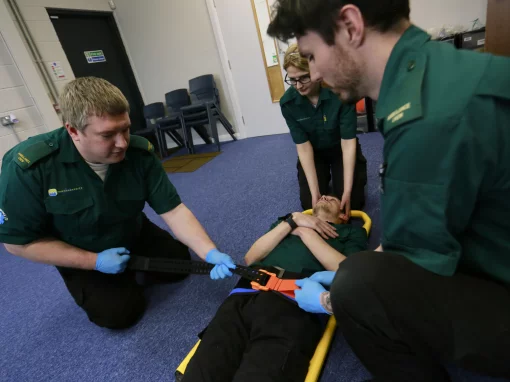
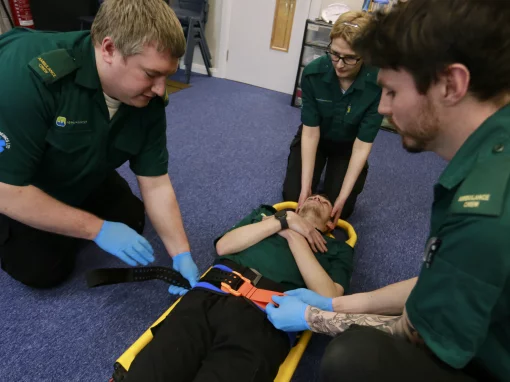
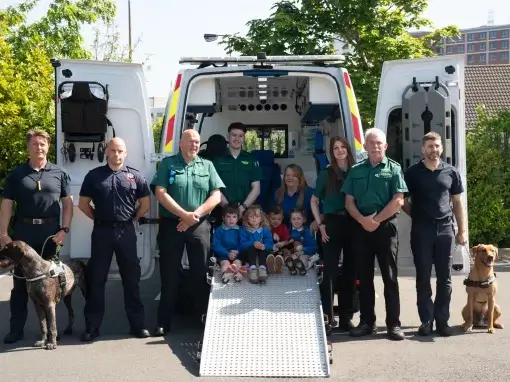
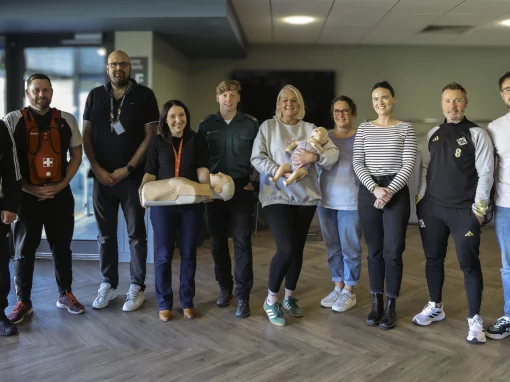
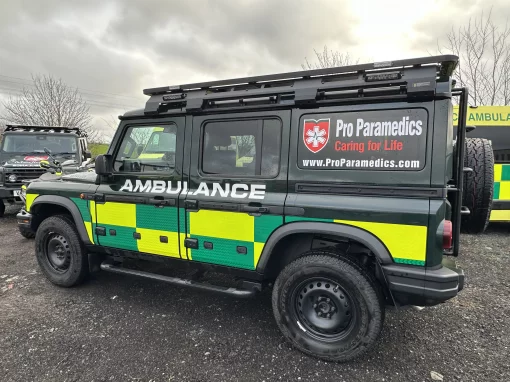
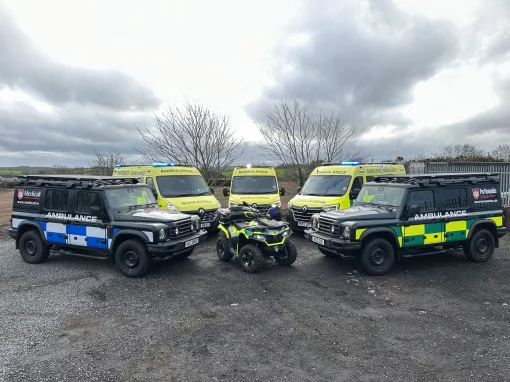
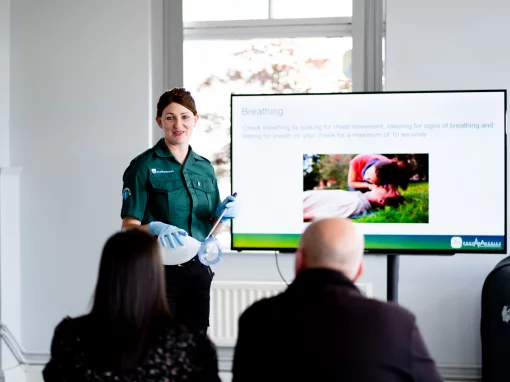
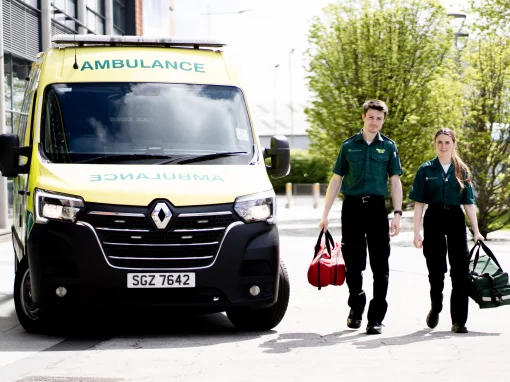
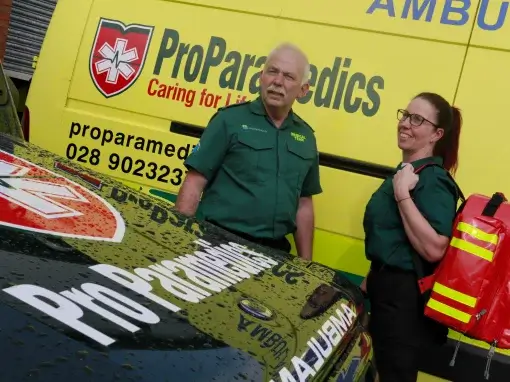
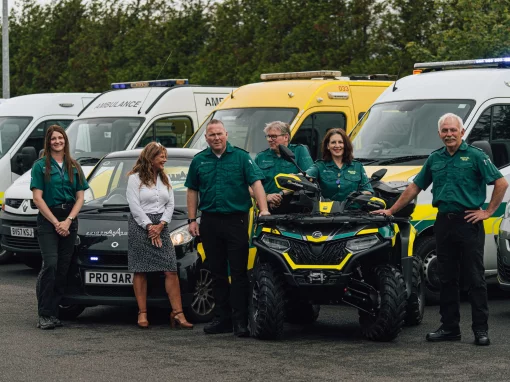
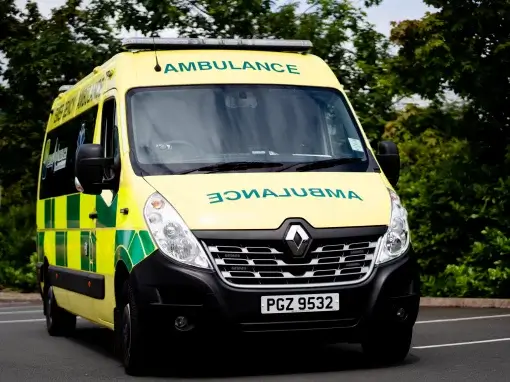
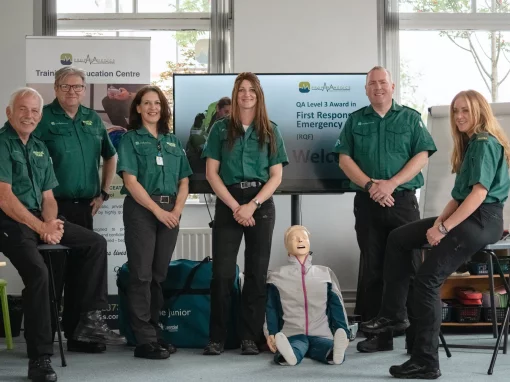
There's a real difference between learning pre-hospital care from a textbook and learning it from people who do the job. Every FREC course at ProParamedics is delivered by active frontline ambulance personnel — paramedics and clinicians who work on our operational ambulances and at major events across Northern Ireland, and who bring that real-world experience into every session.
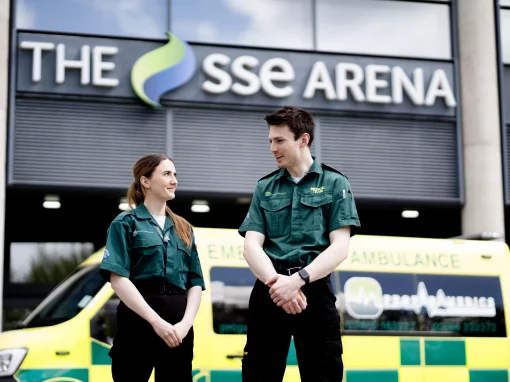
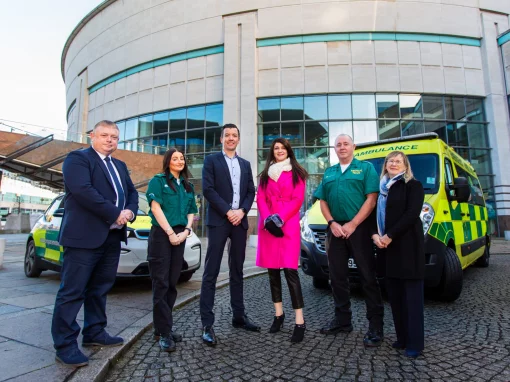
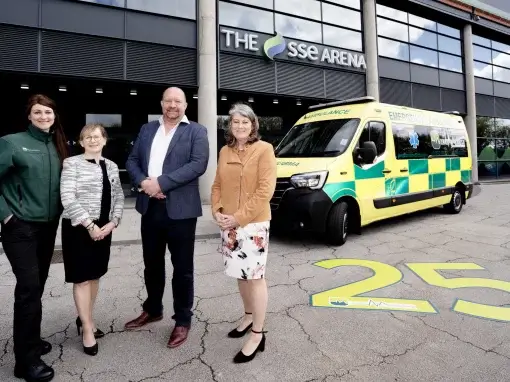
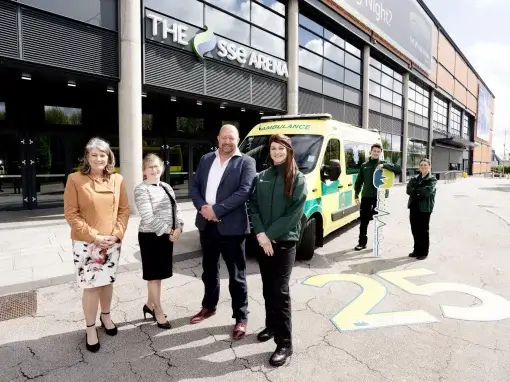
Our courses are accredited by Qualsafe Awards and meet HSENI and UK Resuscitation Council guidelines. They're taught at our purpose-built training centre at Maryland in Moneyreagh, just outside Belfast, with simulation equipment and realistic scenario practice — the same standards behind a company trusted to provide medical cover at venues like the SSE Arena (soon The O2 Belfast) and ICC Belfast for over 25 years.
How to book your FREC course
You can see upcoming dates and book online for both the FREC 3 course and the FREC 4 course. Already qualified and just need to renew? Book a FREC 3 requalification instead. You can also browse our full range of accredited first aid and clinical training courses, or get in touch with the training team if you'd like advice on the right course for your career.
Frequently asked questions
What is the difference between FREC 3 and FREC 4?
FREC 3 is the Level 3 entry-point qualification for pre-hospital and event care, suitable for beginners. FREC 4 is the Level 4 qualification that builds on it, covering more advanced assessment and clinical skills for those working in more autonomous or senior roles. FREC 4 normally requires a valid FREC 3 first.
Do I need FREC 3 before I can do FREC 4?
In most cases, yes. FREC 4 assumes the knowledge and skills taught at Level 3, so you'll usually need a valid FREC 3 — or a recognised equivalent such as FPOS-I — before enrolling. If you're starting from scratch, begin with FREC 3.
How long does a FREC 3 qualification last?
A FREC 3 certificate is valid for three years. Annual refresher training of CPR and AED skills is recommended, and you'll need to complete a requalification course before the certificate expires to keep your qualification current.
Is FREC 3 enough to work as an event medic?
For many first-responder and event-medic roles, FREC 3 is the qualification employers ask for. More senior or higher-risk event medical positions may require FREC 4. If you're unsure what a specific role needs, check the job requirements or ask our training team.
How long is each FREC course?
Both FREC 3 and FREC 4 are delivered over five days at our Maryland training centre near Belfast, combining classroom theory with hands-on scenario practice.
Are ProParamedics' FREC courses accredited?
Yes. Our FREC courses are regulated qualifications accredited by Qualsafe Awards and are recognised by employers across the UK and Ireland. They're delivered by active paramedics and meet HSENI and UK Resuscitation Council guidelines.