A phone call from abroad. A parent has had a fall on holiday, a partner has been admitted to hospital on a ski trip, a relative working overseas is too unwell to travel alone. Suddenly you are trying to understand a foreign hospital, an insurance claim and how on earth to get them home.
This post explains how medical repatriation works, what to do first, and what to expect from the journey home. It is written for families in Northern Ireland, because they are usually the ones making the calls.
What medical repatriation is
Medical repatriation means bringing someone home who is ill or injured and cannot make the journey by themselves. Depending on how well they are, that might mean a clinician travelling with them on a scheduled flight, or a road ambulance journey that includes a ferry crossing. It can also mean an ambulance meeting them at the airport and taking them to a hospital ward or their own home.
The aim is the same in every case: continuous care from the bed they are in now to the bed they are going to, with clinical handover at both ends.
What to do first
Call the travel insurer. If the person has travel insurance, contact the insurer's emergency assistance line as soon as you can. In most cases the insurer and its medical team decide whether and how a repatriation happens, and they arrange or approve the provider. Have the policy number ready.
Get the medical details. Ask the treating hospital for a written summary of the diagnosis, treatment so far and current condition. The insurer and any repatriation team will need it, and it is much easier to ask for while the person is still on the ward.
Keep a record. Note names, phone numbers and the times of every conversation. When several organisations in different time zones are involved, a simple log saves hours.
Ask about fitness to travel. The treating doctors and the insurer's medical team will decide when the person is fit to travel and how. That decision sets everything else: the method, the level of clinical escort and the timing.
How the journey home works
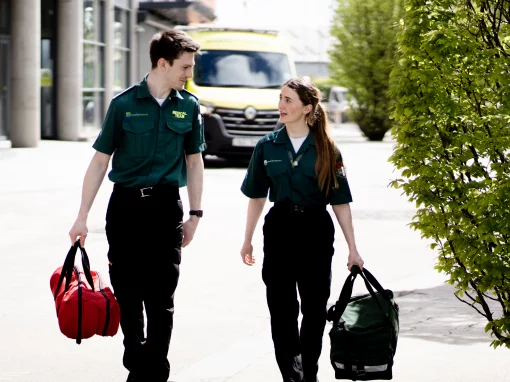
Commercial medical escort. If the patient is well enough to fly on a scheduled airline, a registered paramedic or nurse can travel with them. The escort manages medication, monitoring and mobility through the airport and on board, and hands over on arrival.
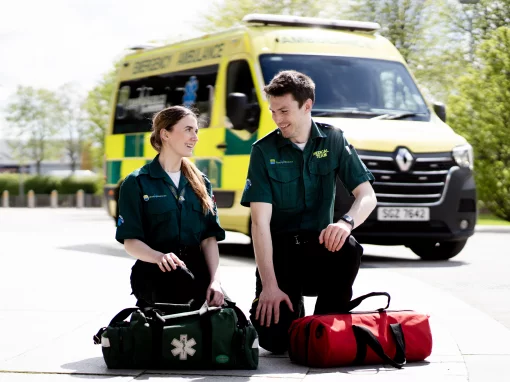
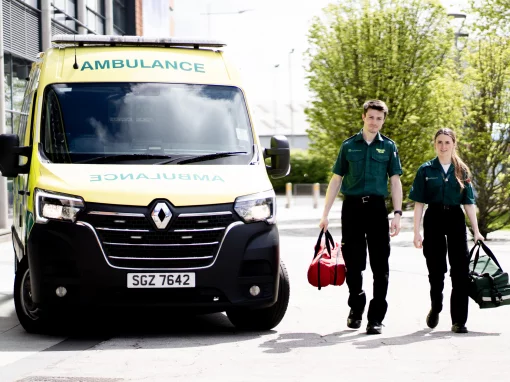
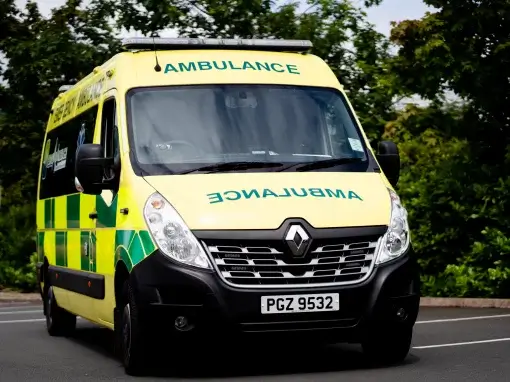
Road repatriation. For patients who cannot fly, or where flying is not the best option, a road ambulance can make the full journey across the UK, Ireland and Europe, with ferry crossings where needed. On longer transfers, overnight rest stops can be arranged in a suitable hotel, with the crew staying with the patient.
Airport and port transfers. When someone arrives home by air or sea, an ambulance can meet them at Belfast International, Belfast City, Dublin or City of Derry airport, or at the ferry port, and take them directly to the receiving hospital ward or home.
Bed to bed. Hospital to hospital transfers go directly to the ward the receiving hospital has assigned. The repatriation team handles liaison with the hospital abroad, the clinical paperwork and the handover at the other end, so the family is not left coordinating clinicians in two countries.
Who goes with the patient
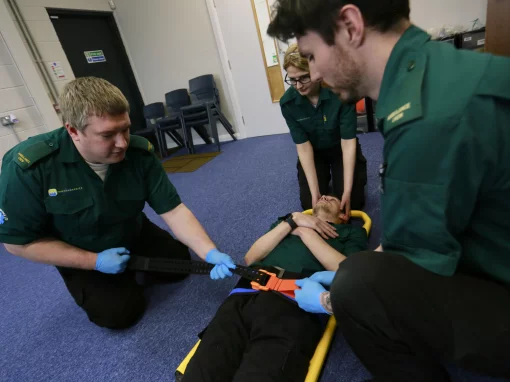
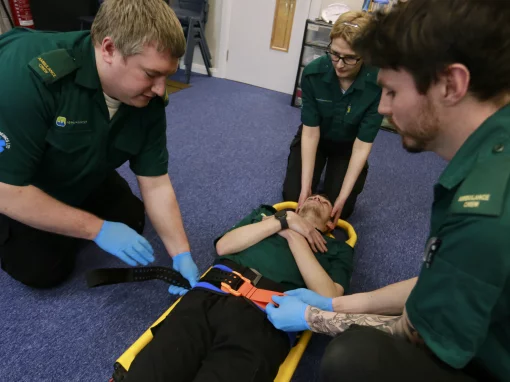
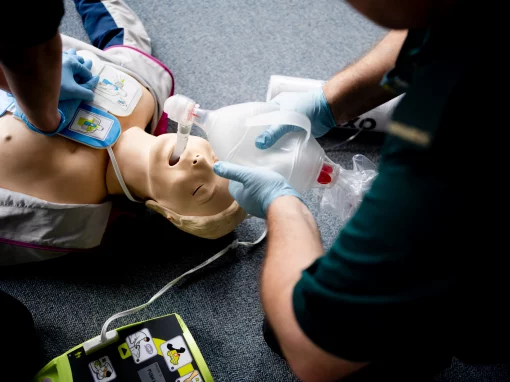
The clinical team is chosen to match the patient's needs. That can mean first responders for a stable patient who mainly needs help with mobility, or paramedics, nurses or doctors where the condition needs closer monitoring. Care on the journey can include monitoring, oxygen, medication management and help with reduced mobility.
Reasonable luggage can travel too, as long as the booking team knows in advance.
Working with insurers
Most repatriations are booked through an insurer or an assistance company rather than directly by the family. We work with insurers and brokers on the medical, logistical and documentation side, so the family deals with one point of contact rather than several.
If there is no insurance, or the insurer will not cover the transfer, families can book privately. Cost depends on distance, duration and the level of clinical care needed, and we provide a detailed quote once we have the medical information.
Before you travel this winter
If you have a winter sun break or a ski trip booked, a few minutes of checking before you go saves a lot of stress if something happens.
Check your travel insurance covers medical repatriation, and the activities you plan to do, such as skiing. Declare any existing medical conditions to the insurer. Carry your UK Global Health Insurance Card (GHIC) if you are travelling in Europe, alongside your travel insurance, not instead of it. Save the insurer's emergency assistance number in your phone and give it to someone at home.
Talk to us
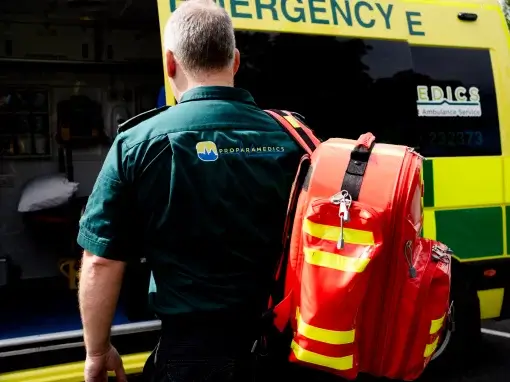
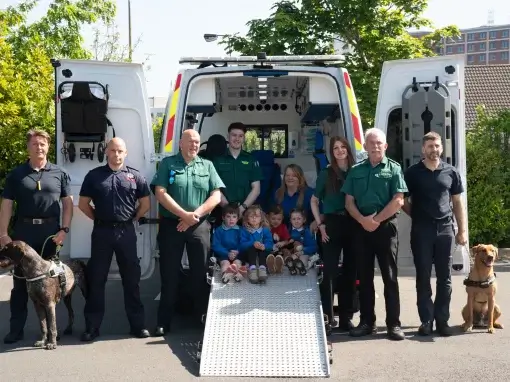
ProParamedics has provided ambulance and patient transport services from Belfast since 1999. As part of the Medicall group, we can draw on more than 300 clinical staff and over 70 vehicles across the island of Ireland, which means we can meet patients at any point of entry.
Medical repatriation is a planned, non-emergency service. If someone needs urgent help, call 999 or the local emergency number.
To discuss a repatriation, call 028 9023 2373 (24 hours: 078 7016 3227) or email admin@proparamedics.com.