Every clinical team needs its people current in Basic Life Support. Doctors, nurses, dental teams, practice staff and care workers are all expected to recognise a cardiac arrest and start effective CPR straight away. Keeping a whole team in date is the hard part, especially when rotas are full and nobody can be spared for long.
This post is for the practice managers, clinical leads and training coordinators who book that training. It covers what the course involves, who it suits, and how to make it work for a team rather than one person at a time.
What the course is
Our course is the Qualsafe Level 3 Award in Basic Life Support for Adults, Children and Infants in Clinical Practice (RQF). It is regulated by Ofqual, nationally recognised, and taught to Resuscitation Council (UK) guidelines.
It runs as a single morning session, 09:00 to 13:30, at our training centre in Moneyreagh.
What it covers
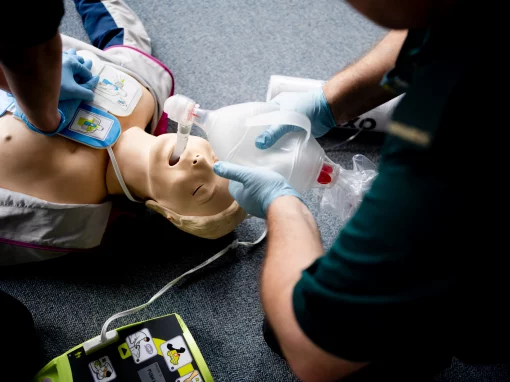
CPR for adults, children and infants. Safe use of an AED. Primary survey and casualty assessment. The recovery position. Managing choking across all three age groups. The professional side of resuscitation in a clinical setting, including DNACPR decisions and your responsibilities as a healthcare worker.
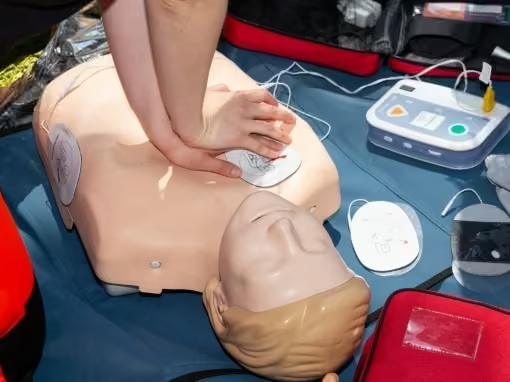
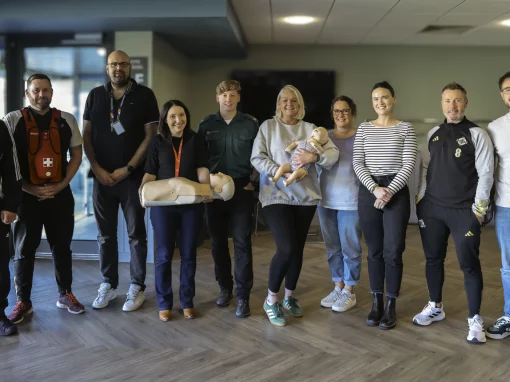
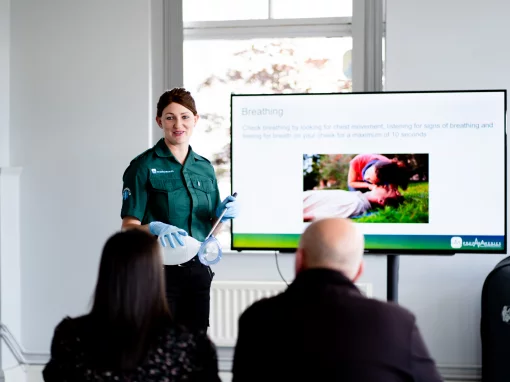
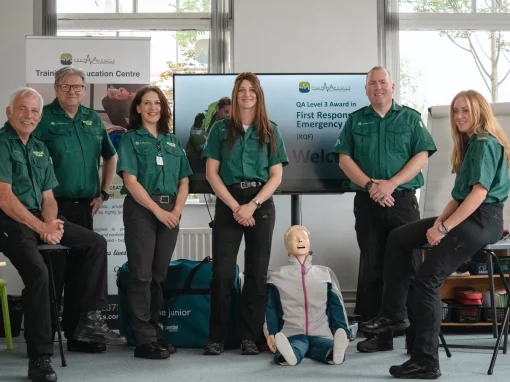
Most of the session is hands on. Everyone practises on adult, child and infant manikins until the technique is right, and the trainer corrects the small things that make the difference to effective compressions.
If your team also needs anaphylaxis training, we run a separate course, the Qualsafe Level 3 Award in Basic Life Support and Management of Anaphylaxis.
Who it suits
GP practices and their clinical and reception teams. Dental practices. Nursing and care homes. Pharmacies. Private clinics and aesthetic practices. Doctors and nurses who need evidence of current BLS training for their employer or their professional body.
What healthcare learners said
We delivered a Basic Life Support session for NIMDTA, the Northern Ireland Medical and Dental Training Agency, in August. The feedback from that group was consistent: training only sticks when it connects to the work people actually do.
"Excellent communicator, made training relatable to day to day work."
"Excellent teaching style, very clear, with real world application, thank you."
"Instructor was very informative, able to provide real life examples and found presentation and videos improved visualisation of real life events."
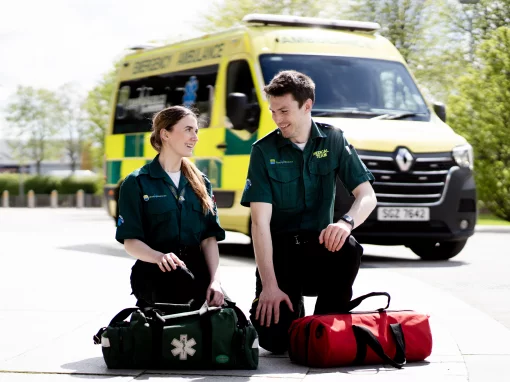
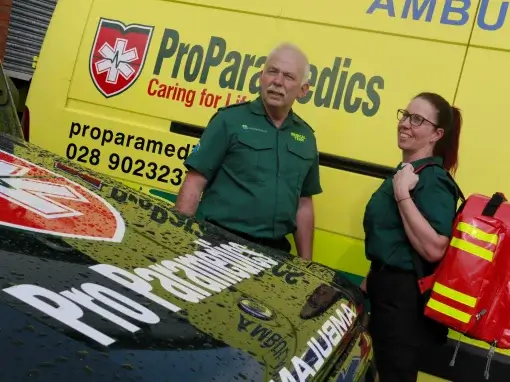
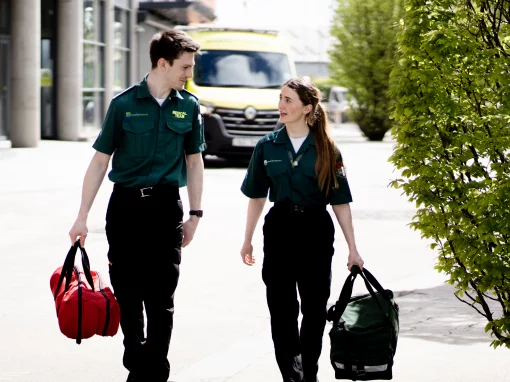
That last point matters. Our trainers work on ambulances and at events the rest of the week, so the examples come from real calls, not from a manual.
How often should staff update?
Most healthcare employers and professional bodies expect clinical staff to update their Basic Life Support every year. Check what your own organisation or regulator requires and plan around that. If your whole team updates at the same time each year, the next one is easy to book and nobody slips through.
Training the whole team
For groups of six or more we offer a discounted rate, and we can deliver the course at your workplace. For a practice or a care home, that usually works better than sending people out one by one. Nobody has to travel, you can schedule it around clinics, and the trainer can talk through the layout of your own building: where the defibrillator is, who fetches it, and how the first few minutes would run in your space.
Send us your team size, location and a few dates that would suit, and we will come back with a quote.
Next dates
Public sessions run at our Moneyreagh training centre roughly monthly, with dates on 24 November, 18 January and 23 February and more through 2027.
For group and in-house bookings, email training@proparamedics.com or call 028 9023 2373.